.avif)
Understanding Ammonia Free Hair Colour and Its Benefits

Hair colour is a popular way to express personality and style, but many people worry about the chemicals involved in the process. One ingredient that often raises concerns is ammonia. To understand ammonia free hair colour, it helps to first know what ammonia does in traditional hair colouring.
Ammonia is an alkaline chemical that raises the pH level of hair during colouring. This process lifts the hair cuticles, allowing colour to penetrate the cortex, the inner part of the hair. It also helps lighten the natural pigment so new colour can be applied. While effective, ammonia can cause strong odours and may irritate the scalp or damage hair if used frequently.
Ammonia free hair colour replaces ammonia with gentler ingredients and new technology. But not all ammonia free products work the same way or deliver the same results. This post explores how ammonia free hair colour works, its benefits, and what to expect from this growing trend.
How Ammonia Works in Hair Colour
Ammonia plays two key roles in traditional hair dye:
Lifts the hair cuticle: This opens the protective outer layer so colour molecules can enter.
Lightens natural pigment: It breaks down melanin, allowing hair to be recoloured or lightened.
Because ammonia is alkaline, it changes the hair’s pH quickly and effectively. This makes the colour last longer and appear more vibrant. However, the strong chemical can cause dryness, scalp irritation, and a noticeable smell during application.
What Makes Ammonia Free Hair Colour Different
Ammonia free hair colour uses alternative ingredients to raise the hair’s pH and open the cuticle without ammonia’s harsh effects. These alternatives include:
Ethanolamine or monoethanolamine (MEA): A gentler alkaline agent that raises pH but with less smell and irritation.
Other alkaline agents: Some brands use proprietary blends or natural ingredients to achieve similar effects.
Advanced technology: New formulas help colour molecules penetrate the hair without needing strong alkalines.
Because ammonia free dyes are less harsh, they tend to be gentler on the scalp and hair fibre. This makes them popular for people with sensitive skin or damaged hair.
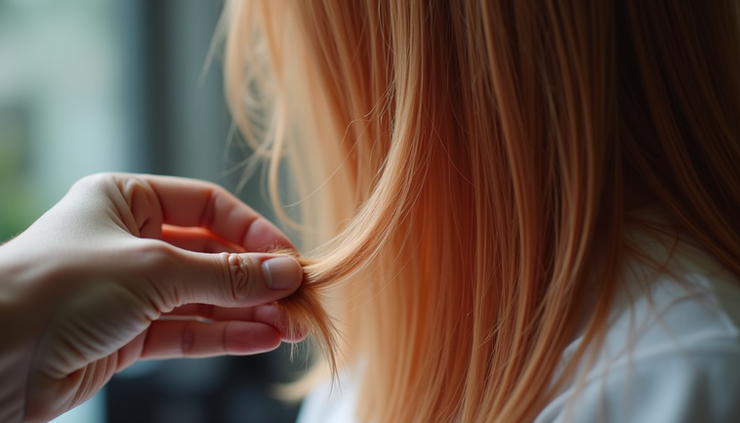
The No Ammonia Hair Dye Trend
This trend reflects growing demand for gentler, more natural hair care options. People want effective hair colour without the strong smell or potential damage ammonia can cause.
The trend also fits with wider consumer interest in cleaner beauty products and reducing exposure to harsh chemicals. Many salons now offer ammonia free options as part of their colour services.
Are Ammonia Free Hair Dyes Effective?
Early ammonia free hair dyes were mostly semi-permanent or demi-permanent. This meant the colour faded faster because it did not fully penetrate the hair cortex. Some clients found the results less vibrant or durable compared to traditional ammonia dyes.
However, recent advances have improved the quality of ammonia free hair colour. Many products now offer long-lasting, vibrant colour with less damage. The key factors affecting effectiveness include:
Formula technology: Newer products use advanced molecules that penetrate hair well without ammonia.
Hair condition: Healthier hair absorbs colour better, regardless of ammonia presence.
Colour type: Permanent ammonia free dyes are available but may require longer processing times.
Choosing a reputable brand and professional application helps ensure good results with ammonia free hair colour.
Benefits of Ammonia Free Hair Colour
Switching to ammonia free hair colour offers several advantages:
Less scalp irritation: Gentler formulas reduce itching, burning, or redness.
Reduced chemical smell: Ammonia’s strong odour is replaced by milder scents.
Healthier hair: Less damage to the hair cuticle means softer, shinier hair after colouring.
Suitable for sensitive skin: People prone to allergies or sensitivities often tolerate ammonia free dyes better.
Environmentally friendlier options: Some ammonia free products use more natural or biodegradable ingredients.
These benefits make ammonia free hair colour a good choice for many people, especially those who colour their hair regularly or have delicate scalps.
What to Expect When Using Ammonia Free Hair Colour
If you decide to try ammonia free hair colour, keep these points in mind:
Processing time may be longer: Without ammonia’s strong alkalinity, colour may take more time to develop.
Colour results can vary: Some shades or lightening effects may be less intense or require multiple sessions.
Maintenance is important: Use colour-safe shampoos and conditioners to extend the life of your colour.
Consult a professional: A trained colourist can recommend the best ammonia free product and technique for your hair type.


Comments