.avif)
Avoiding Common Assessment Mistakes in Hair Color Services and Achieving Perfect Results

Getting hair color just right depends on a careful and accurate assessment. Many stylists rely on quick visual checks or standard lighting, but these shortcuts can lead to disappointing results. Understanding common mistakes during hair evaluation and knowing how to avoid them helps ensure every color service meets client expectations and maintains hair health.
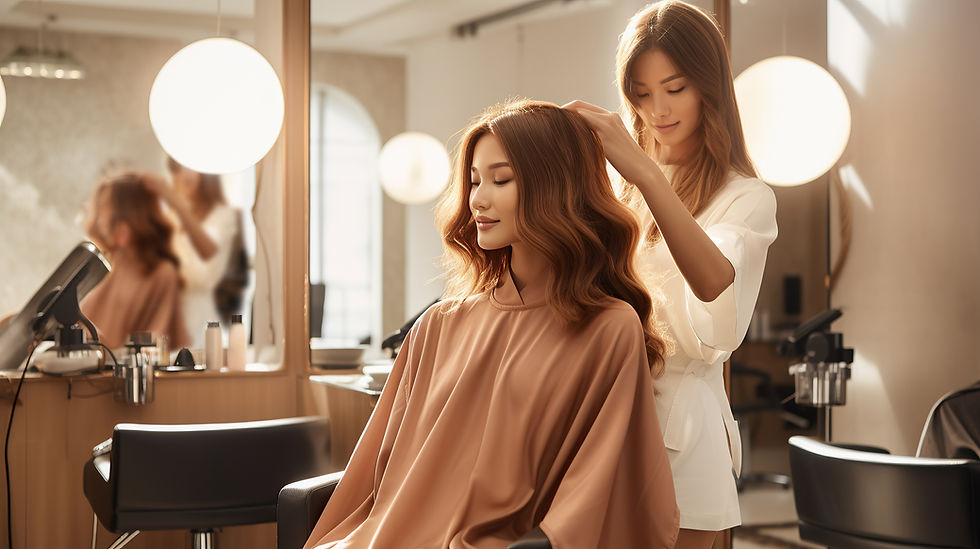
Mistake 1: Relying on Overhead Salon Lighting
Salon lighting often uses overhead fluorescent or warm bulbs that can distort hair color and texture. This lighting may make hair appear brighter, duller, or differently toned than it actually is. When stylists base their color decisions solely on this light, the final result can surprise both the client and the professional.
How to Fix This
Move the client to a space with natural daylight or use a high-quality daylight lamp. Natural light reveals the true hair color and texture.
Always confirm color choices in a neutral, well-lit area before starting the service.
Use a color chart as a benchmark and compare hair color under natural light to avoid surprises.
Mistake 2: Skipping the Feel Test
Visual inspection alone misses subtle texture and porosity issues. Hair that looks healthy might feel dry, brittle, or frizzy, which affects how color absorbs and holds. Ignoring this step can lead to uneven color or damage.
How to Fix This
Run your fingers gently through the hair to check for dryness, smoothness, or frizz.
Perform a quick porosity test by observing how quickly a strand absorbs water or color.
Use this tactile information to adjust color formulas or treatments to suit the hair’s condition.
Mistake 3: Ignoring Past Services
Failing to review a client’s history of chemical treatments or colors can cause incompatible color choices. Previous dyes, relaxers, or perms affect hair’s reaction to new products and can lead to patchy or unexpected results.
How to Fix This
Ask detailed questions about previous color services, chemical treatments, and home care routines.
Review any available records or notes from past visits.
When uncertain, perform a strand test to observe how the hair reacts to the intended color or treatment.
Tailor your recommendations based on this information to avoid damage and ensure the best outcome.
Building a Thorough Assessment Routine
A confident color plan comes from a step-by-step evaluation that includes:
Examining hair level and undertone under natural light.
Comparing hair color to a reliable chart.
Checking texture and porosity through touch.
Reviewing service history and asking specific questions.
Performing strand tests when needed.
This approach helps stylists appreciate the hair’s unique characteristics and interact with pigment meaningfully. Spending a few extra minutes on assessment saves time and frustration later, leading to results that satisfy both stylist and client.


Comments